As we continue our 30-day journey into the world of animal science and welfare, today we delve into the transformative power of positive reinforcement training. This method not only enhances the bond between humans and animals but also promotes their overall well-being.
Personal Story
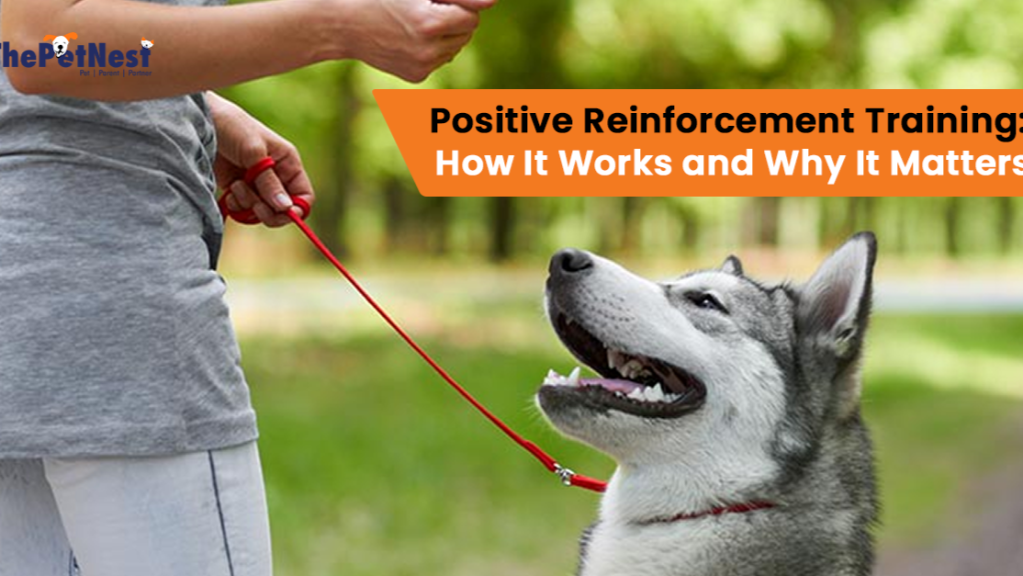
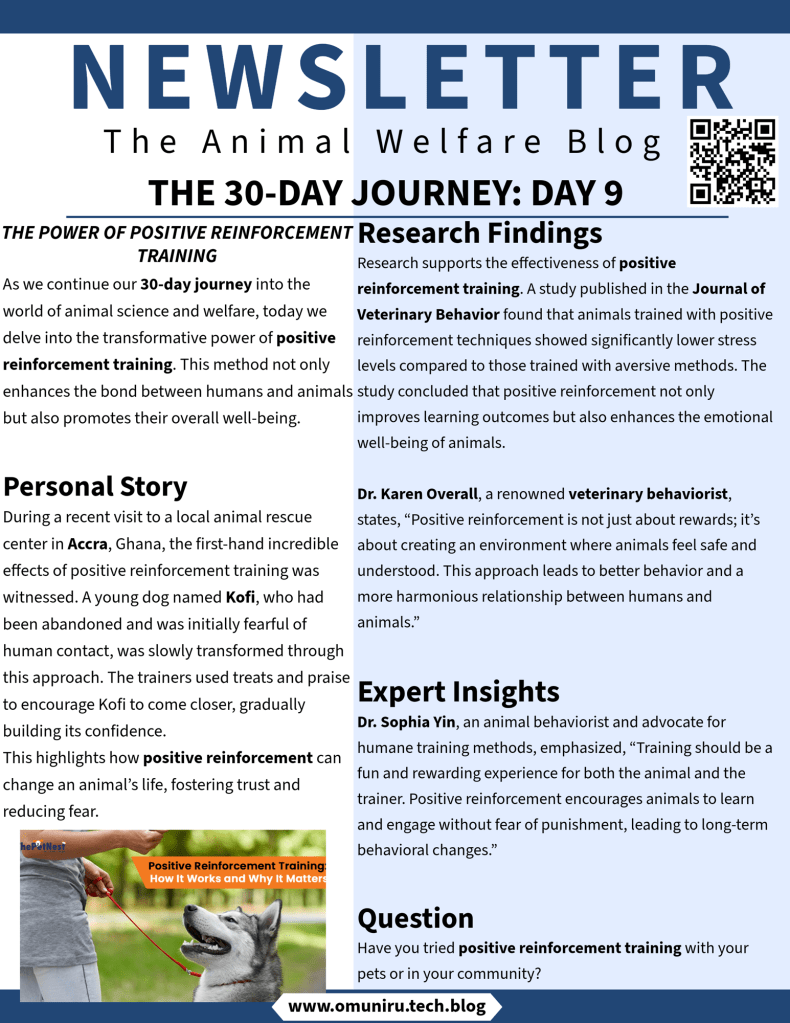
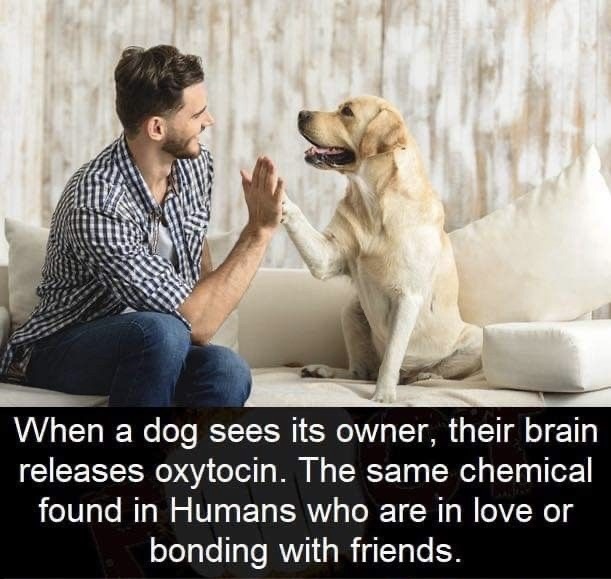
During a recent visit to a local animal rescue center in Accra, Ghana, the firsthand incredible effects of positive reinforcement training was witnessed. A young dog named Kofi, who had been abandoned and was initially fearful of human contact, was slowly transformed through this approach. The trainers used treats and praise to encourage Kofi to come closer, gradually building its confidence.

This experience highlighted how positive reinforcement can change an animal’s life, fostering trust and reducing fear.
Research Findings
Research supports the effectiveness of positive reinforcement training. A study published in the Journal of Veterinary Behavior found that animals trained with positive reinforcement techniques showed significantly lower stress levels compared to those trained with aversive methods. The study concluded that positive reinforcement not only improves learning outcomes but also enhances the emotional well-being of animals.
Dr. Karen Overall, a renowned veterinary behaviorist, states, “Positive reinforcement is not just about rewards; it’s about creating an environment where animals feel safe and understood. This approach leads to better behavior and a more harmonious relationship between humans and animals.”

Expert Insights
Dr. Sophia Yin, an animal behaviorist and advocate for humane training methods, emphasized, “Training should be a fun and rewarding experience for both the animal and the trainer. Positive reinforcement encourages animals to learn and engage without fear of punishment, leading to long-term behavioral changes.”


Call to Action
As we reflect on the importance of positive reinforcement training, we encourage you to consider how you can implement these techniques in your interactions with animals. Whether you have pets at home or work with animals in a shelter, think about ways to foster a positive learning environment.
Have you tried positive reinforcement training with your pets or in your community? Share your experiences in the comments below!
Engage with Us!
Let’s spark a conversation about the impact of positive reinforcement training on animal welfare. How has this method changed your relationship with animals? Share your stories, tips, and questions!
#AnimalWelfare #PositiveReinforcement #TrainingAnimals #AnimalBehavior #Ghana #DogTraining #PetCare #AnimalRescue #WelfareMatters #TrustAndTraining
Join us tomorrow as we explore another facet of animal welfare!





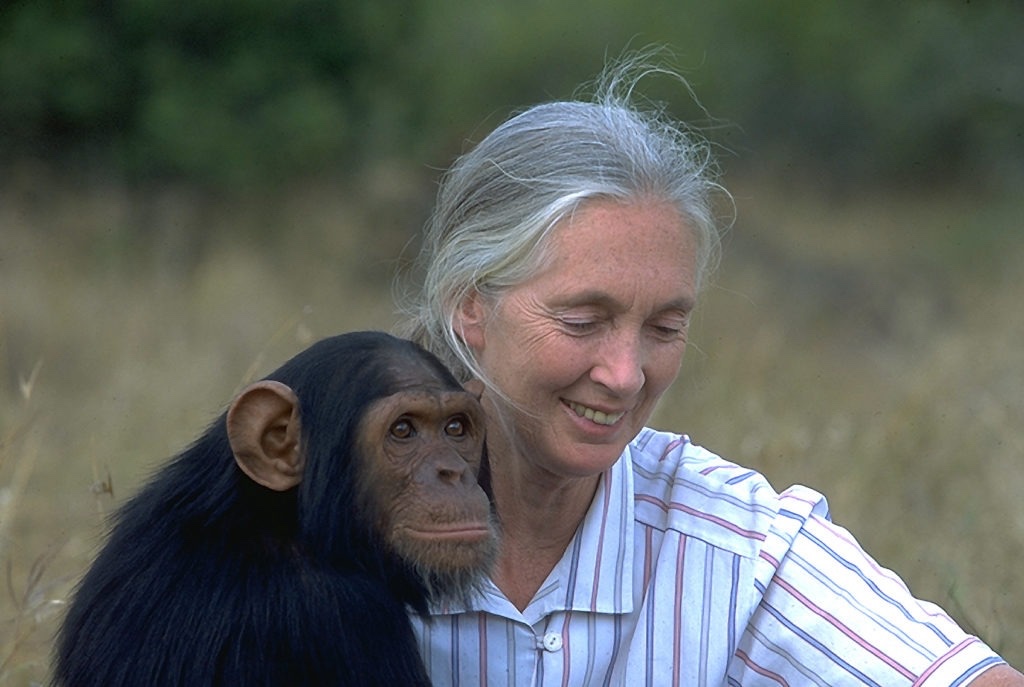

















 THE ANIMAL WELFARE BLOG